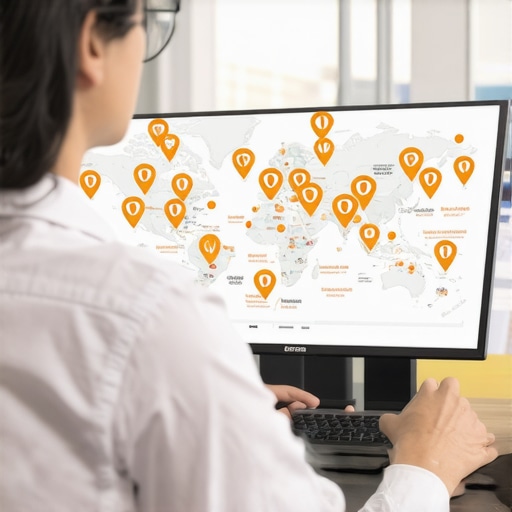
Discovering the Power of GMB Optimization: A Personal Perspective

When I first started exploring local SEO, I was overwhelmed by the sheer volume of strategies out there. I remember spending countless hours trying to figure out how to boost my Google My Business (GMB) listing. It wasn’t until I stumbled upon the GMB Ranking Roadmap that I truly began to see tangible results. This roadmap became my trusted guide, helping me navigate the complex world of local search with confidence.

My Journey Through Proven Strategies for Local Search Growth

Implementing the effective strategies from the roadmap, I started optimizing my Google Business Profile with genuine care. From consistent NAP (Name, Address, Phone Number) information to engaging with customer reviews, each step brought me closer to higher visibility. I found that understanding the importance of local keywords and integrating them naturally into my content helped my business stand out in local searches.

What Are the Hidden Gems of the GMB Roadmap?

How Can I Stay Ahead in Local SEO in 2025?

Staying ahead requires continuous learning and adaptation. I keep myself updated by following authoritative sources like Google Maps Roadmap 2025. This resource offers insights into upcoming trends and algorithm changes, ensuring my strategies remain effective. One thing I’ve realized is that consistency and authenticity are crucial; Google values real engagement over shortcuts.

If you’re serious about climbing the local search rankings, I highly recommend exploring the GMB Improvement Plan. It’s been a game-changer for my approach, emphasizing step-by-step improvements that yield long-term growth.

Sharing My Experience and Inviting Your Input

Throughout my journey, I’ve learned that success in local SEO isn’t about quick wins but about building trust and authority over time. If you’re curious about specific tactics or want to share your own experiences, I encourage you to leave a comment below. Connecting with others on this journey makes the learning process richer and more rewarding.

Uncovering the Lesser-Known Techniques to Elevate Your GMB Presence

While foundational tactics like consistent NAP information and positive reviews are crucial, seasoned local SEO experts know that advanced strategies can significantly boost your Google My Business (GMB) performance. For instance, leveraging structured data markup, such as schema.org, can help search engines better understand your business details, leading to enhanced visibility and rich snippets in local search results. Incorporating photos, service descriptions, and event details with structured data ensures your listing stands out more prominently.

Another often overlooked tactic is local link building. Building relationships with local bloggers, news outlets, and community organizations can earn valuable backlinks and mentions, which boost your authority in Google’s eyes. Additionally, creating locally relevant content—like blog posts about community events or local guides—can serve as a dual-purpose strategy: engaging your community and improving your local relevance.

How Can You Use Data and Analytics to Refine Your GMB Strategy?

Data-driven decisions are the backbone of an effective local SEO campaign. Regularly analyzing your GMB insights provides invaluable information about how customers find and interact with your listing. Metrics such as search queries, customer actions, and photo views can reveal trends and areas for improvement. For example, if data shows a spike in searches for a specific service, you might want to optimize your profile further around that keyword.

Implementing advanced local SEO techniques like competitor analysis and keyword gap analysis can uncover new opportunities. These insights allow you to refine your content strategy, update your service offerings, and optimize your profile for the most relevant local searches. Remember, consistency in monitoring and adjusting your approach is key to maintaining a competitive edge.

What New Challenges Will Local SEO Face in 2025?

Looking ahead, emerging technologies such as voice search, AI-driven personalization, and augmented reality are poised to reshape the local search landscape. Voice searches tend to be more conversational, making natural language optimization essential. Additionally, AI algorithms are becoming better at understanding user intent, so your content must reflect a deeper understanding of your audience’s needs and local context. Augmented reality applications could soon allow users to explore your business virtually, emphasizing the importance of rich, engaging visual content.

Staying ahead requires continuous learning and adaptation. I recommend following authoritative sources like Google Maps Roadmap 2025 for insights into future trends and algorithm changes. This proactive approach ensures your strategies remain relevant and effective, positioning your business for sustained visibility and growth.

If you’re eager to deepen your understanding of local SEO tactics, consider exploring the GMB Improvement Plan. It offers step-by-step guidance tailored for businesses aiming to dominate local searches and foster long-term customer trust.

Sharing your experiences and challenges can be incredibly valuable—leave a comment below or connect through the contact page. Together, we can navigate the evolving landscape of local SEO, ensuring your business stays at the forefront of local search results.

Deepening My GMB Knowledge: Navigating the Nuances of Local Search Algorithms

Over the years, I’ve realized that mastering Google My Business isn’t just about ticking boxes or following generic checklists. It’s a nuanced dance with ever-evolving search algorithms that demand constant adaptation and a keen understanding of local user intent. One personal insight I gained was how staying ahead of the 2025 Google Maps roadmap requires more than technical tweaks; it’s about cultivating authentic community engagement that resonates with your local audience. This means listening to customer feedback, participating in community events, and showcasing your business’s story in a way that algorithms can’t ignore.

How Do I Keep My Strategies Relevant Amid Rapid Change?

That question has haunted me at times, especially as new technologies like voice search and AI-driven personalization reshape how consumers find local businesses. My personal approach has been to immerse myself in continuous learning—reading industry reports, participating in webinars, and experimenting with emerging tactics. For example, integrating advanced local SEO techniques such as semantic keyword optimization and schema markup has proven invaluable. These strategies help Google understand my business’s context better, ensuring I remain competitive in a landscape where natural language queries dominate.

One breakthrough moment was realizing that optimizing for voice search isn’t just about long-tail keywords but also about crafting conversational content that anticipates user questions. This shift has made me more empathetic to my audience’s needs, allowing me to create richer, more engaging content that aligns with their local search behavior.

What Role Does Personal Storytelling Play in GMB Optimization?

In my experience, authentic storytelling has become a secret weapon. When I share genuine stories about my community involvement, customer success stories, or behind-the-scenes glimpses, it humanizes my brand and builds trust—an essential factor that algorithms increasingly favor. For instance, updating my GMB posts with heartfelt narratives about local events or charity work has led to more engagement and positive reviews, which in turn boosts my visibility.

Interestingly, Google seems to prioritize content that fosters real connections, not just keywords. So, I’ve made it a habit to document my business journey and share it openly, inviting my community to participate. This approach not only enhances my GMB profile but also deepens my local roots, creating a cycle of mutual growth and trust.

How Can I Leverage Community and Local Partnerships for Better GMB Results?

Building relationships with local influencers, news outlets, and community organizations has been a game-changer. These partnerships often lead to backlinks, mentions, and reviews that can significantly elevate my GMB presence. I’ve found that sponsoring local events or collaborating on community projects naturally attracts attention and positive signals to Google.

For example, creating co-branded content or hosting local workshops has increased my visibility and established my reputation as a committed community member. These activities, when integrated into my GMB strategy, amplify my local relevance and authority beyond traditional optimization tactics. If you’re interested in exploring this further, I recommend reviewing the GMB Strategy Path for Local Business Growth for actionable ideas on community engagement.

What’s Next? Preparing for the Future of Local Search

The future of local SEO is both exciting and challenging. As AI and AR technologies become more mainstream, I believe the key to sustained success will be a blend of innovative tech adoption and heartfelt community storytelling. Embracing tools like virtual tours or augmented reality experiences can differentiate your business, making it more memorable.

Meanwhile, staying informed through authoritative sources like the Google Maps Roadmap 2025 ensures your strategies evolve in tandem with the landscape. I invite you to share your experiences or ask questions—your insights might just inspire my next big experiment in local SEO. Feel free to reach out or leave a comment below. Together, we can navigate the future of local search and build resilient, trusted brands that thrive amidst change.

Mastering the Art of Local Search Authority Through Strategic Community Integration

In my ongoing journey to refine my Google My Business (GMB) mastery, I’ve come to realize that genuine community engagement transcends mere optimization tactics. It’s about weaving authentic narratives into your local ecosystem, creating a symbiotic relationship that search algorithms increasingly favor. For example, collaborating with local influencers or participating in community-driven events can generate high-quality backlinks and social signals, which are instrumental in boosting your GMB ranking.

Leveraging tools like the GMB Strategy Path can guide you in designing impactful community partnerships that resonate with your target audience. These efforts signal to Google that your business is deeply embedded within its local fabric, fostering trust and authority that algorithms recognize.

How Can Advanced Schema Markup Elevate Your Local Visibility?

One often underutilized yet powerful technique is the strategic implementation of structured data markup. Using schema.org vocabulary, you can explicitly communicate your business’s key attributes—such as services, events, and special offers—to search engines, facilitating enhanced rich snippets in local search results. This can significantly improve click-through rates and visibility, especially when combined with engaging visual content.

For instance, detailed schema markup for services and events can help your listing stand out during local searches, making it more compelling and informative. This approach aligns with insights from authoritative sources like Google Maps Roadmap 2025, emphasizing the importance of technical precision in future-proofing your local SEO efforts.

Ready to Deepen Your Expertise? Join the Conversation

If you’re eager to explore these sophisticated strategies further or share your own experiences navigating the complex landscape of local SEO, I invite you to connect with me. Your insights could spark new ideas and innovative approaches in our collective pursuit of digital excellence. Visit this contact page to start a dialogue or leave a comment below. Let’s elevate our local search game together and set new standards for authentic, impactful digital presence.

Things I Wish I Knew Earlier (or You Might Find Surprising)

1. The Power of Authentic Engagement

Early in my journey, I underestimated how much genuine community involvement impacts GMB rankings. Sharing local stories and participating in events created a ripple effect that boosted my visibility more than any technical tweak. It’s a reminder that authenticity resonates both with users and algorithms.

2. Structured Data Makes a Difference

Implementing schema markup seemed daunting at first, but I realized its potential to help search engines understand my business better. Rich snippets and enhanced visibility were the rewards, proving that technical details can truly elevate your local presence.

3. Consistency Over Time Wins

Consistency in updates, reviews, and community interactions might sound simple, but I learned it’s the secret sauce. Sporadic efforts won’t cut it; steady, genuine activity builds trust and authority that Google recognizes.

4. Voice Search is Changing the Game

Optimizing for voice search required a shift in my content approach. Natural language and conversational keywords now hold the key to capturing those voice-driven local queries, making my content more relatable and accessible.

5. The Local Link Building Hidden Gems

Building relationships with local influencers and organizations opened doors to backlinks and mentions that significantly improved my local authority. It’s about nurturing real community connections, not just SEO tactics.

Resources I’ve Come to Trust Over Time

  • Google’s Official Blog: Staying updated with Google’s own updates and guidelines has been invaluable. It’s the most authoritative source directly from the source.
  • Search Engine Journal: Their articles on local SEO trends and strategies keep me ahead of the curve. I recommend it to anyone serious about SEO.
  • Moz’s Beginner’s Guide to SEO: A timeless resource that helped me grasp the fundamentals and advanced tactics alike. It’s like having a mentor in your pocket.
  • Schema.org: For understanding structured data, this site is a goldmine. It made me realize how technical enhancements can be straightforward and impactful.

Parting Thoughts from My Perspective

My journey into GMB optimization has been eye-opening. The most valuable lesson? That success is about authenticity and consistent effort, not quick hacks. As local search evolves, staying engaged with your community and leveraging technical tools like schema markup will keep you ahead. If this resonated with you, I’d love to hear your thoughts. Feel free to share your experiences or ask questions — together, we can navigate the ever-changing landscape of local SEO and build trusted, thriving businesses.


Discovering the Power of GMB Optimization: A Personal Perspective When I first started exploring local SEO, I was overwhelmed by the sheer volume of strategies out there. I remember spending countless hours trying to figure out how to boost my Google My Business (GMB) listing. It wasn’t until I stumbled upon the GMB Ranking Roadmap that I truly began to

How I Discovered the Power of Local Google My Business Optimization

Not long ago, I found myself struggling to get my local business noticed in a crowded marketplace. Despite offering excellent services, my visibility on Google Maps was almost non-existent. That’s when I stumbled upon the GMB Ranking Roadmap, and everything changed. I decided to dive deep into the strategies that could boost my local SEO efforts and improve my Google My Business listing.

My First Steps: Understanding the Basics of GMB Optimization

Starting with the fundamentals, I realized that optimizing my GMB profile was crucial. From accurate business information to choosing the right categories, every detail mattered. I also learned that consistent NAP (Name, Address, Phone Number) information across all platforms is vital for building trust and authority. As I applied these simple yet powerful techniques, I began to see incremental improvements in my local rankings.

Unveiling Hidden Strategies for Local Search Dominance

What really accelerated my progress was implementing advanced tactics like keyword-rich descriptions, high-quality photos, and encouraging customer reviews. I found that engaging with customers through Google Posts and responding to reviews created a sense of community and trust. These tactics are well documented in the GMB Improvement Plan. It’s like having a step-by-step blueprint that guides you through every stage of local SEO growth.

Why Is Consistency the Secret Ingredient?

One thing I learned the hard way was that consistency in updates and engagement is key. Regularly posting new content, updating business hours, and responding promptly to reviews kept my profile active and relevant. This ongoing effort helped me climb the local rankings steadily. As I delved deeper, I discovered that Google favors active and authoritative profiles, which is why I also explored external sources like Google Maps Roadmap 2025 for future-proof strategies.

How Do I Keep Up with Changing Algorithms?

Google’s algorithms are constantly evolving, making it challenging to stay ahead. To adapt, I stay informed by following expert blogs and updates from Google’s official resources. I also participate in online communities where local SEO practitioners share their insights. This continuous learning process has been essential for maintaining my rankings and expanding my local reach.

What Are the Biggest Challenges in Local SEO Today?

One challenge I faced was maintaining relevance amid fierce competition. It’s easy to get overwhelmed, but focusing on authentic customer engagement and staying committed to quality content helps. I recommend exploring comprehensive guides like GMB Strategy Path for a structured approach to overcoming these hurdles.

If you’re looking to boost your local visibility and want a proven step-by-step plan, I encourage you to share your experiences or ask questions below. Together, we can navigate the complex world of local SEO and Google My Business optimization!

Mastering the Art of Local SEO: What Are the Nuances Most Experts Overlook?

As an experienced practitioner in local search optimization, I’ve found that many overlook the importance of nuanced Google My Business (GMB) profile elements that can make or break your ranking potential. For instance, leveraging structured data markup not only enhances your visibility but also signals to Google that your listing is authoritative and trustworthy. Incorporating schema markup for local businesses, products, and reviews can significantly boost your prominence in local packs, especially as Google refines its algorithms towards semantic understanding. For in-depth guidance on implementing schema, I recommend reviewing authoritative resources like Google’s official structured data documentation.

How Can Strategic Use of Local Keywords Accelerate Your Map Rankings?

While it’s common to stuff keywords into your GMB description, strategic placement and context matter far more than sheer density. Think beyond basic keywords—consider latent semantic indexing (LSI) terms that relate to your core services. For example, if you run a bakery, integrating terms like “artisan bread,” “gluten-free cakes,” or “custom wedding cakes” aligns your profile with specific search intents. Conducting keyword research using tools like Ubersuggest assists in uncovering high-value, low-competition keywords that can help your profile stand out. Remember, Google’s algorithms are increasingly sophisticated, rewarding relevance and context over keyword stuffing alone.

What Are the Next-Level Engagement Tactics That Really Move the Needle?

Engagement remains a cornerstone of successful local SEO. Beyond responding to reviews, implementing **Google Posts** with timely updates about promotions, events, or new services can keep your profile fresh and engaging. Additionally, integrating customer-generated content, such as photos or testimonials shared on social media linked to your GMB, signals active community involvement and encourages user interaction. For example, creating a dedicated hashtag for your business and encouraging customers to share their experiences can generate authentic content that Google values highly. For a comprehensive approach, explore strategies detailed in GMB Improvement Plan.

How Do Algorithm Updates Affect Local Rankings and How to Stay Ahead?

Google’s local ranking signals are constantly evolving. Recent updates emphasize the importance of user experience metrics such as click-through rates, bounce rates, and overall engagement. To stay ahead, I recommend maintaining a future-proof strategy that emphasizes high-quality content, seamless user experience, and ongoing profile optimization. Regularly auditing your GMB profile and competitors’ listings provides insights into emerging trends and algorithm shifts. Staying connected with reputable local SEO communities and updates from Google’s official channels ensures you remain informed and adaptable.

Are Your Local SEO Strategies Truly Resilient in the Face of Change?

Building resilience into your local SEO approach involves a blend of proactive monitoring, continuous learning, and strategic diversification of your efforts. For instance, diversifying your presence across local directories, social platforms, and niche review sites mitigates risks associated with algorithm changes. Moreover, leveraging proven GMB improvement plans ensures you’re covering all bases from reviews and citations to profile updates and engagement tactics. Remember, the goal is to create a robust local presence that can withstand the inevitable fluctuations of search algorithms.

If you’re eager to elevate your local SEO game further, I invite you to share your experiences or ask questions below. Let’s explore the evolving landscape of local search together and unlock new levels of visibility for your business!

Beyond the Basics: Embracing the Complexities of Local SEO

When I first dipped my toes into local SEO, I assumed that optimizing a Google My Business profile and generating reviews was enough. However, as I delved deeper, I realized that the true power lies in understanding the intricate nuances that most practitioners overlook. For example, leveraging structured data markup can dramatically enhance your visibility, signaling to Google that your listing is both authoritative and trustworthy. Implementing schema for local businesses, products, and reviews not only boosts your chances in local packs but also aligns with Google’s semantic understanding efforts, as explained in Google’s official documentation.

How Do I Navigate the Ever-Changing Landscape of Local Search?

My journey has taught me that staying ahead of algorithm updates requires continuous learning and adaptation. I spend time following authoritative blogs and participating in online communities, where experienced SEOs share insights. One critical realization was that recent updates prioritize user experience metrics such as click-through rates and engagement. To future-proof my strategies, I adopted a holistic approach, focusing on high-quality content, seamless website navigation, and active profile management. Regular audits of my GMB profile, coupled with competitor analysis, keep me informed about emerging trends. For detailed guidance, I often revisit Google Maps Roadmap 2025 for insights into upcoming shifts.

What Deep Strategies Can Elevate Your Local Rankings?

One of the most impactful strategies I’ve adopted involves integrating latent semantic indexing (LSI) keywords into my profile descriptions and posts. Instead of keyword stuffing, I focus on relevance and context—using terms like “artisan bread” or “gluten-free cakes” if I own a bakery, which aligns with specific search intents. Conducting keyword research with tools like Ubersuggest helps me identify low-competition, high-value keywords that resonate with my target audience. This approach not only improves my rankings but also attracts highly relevant traffic, making my efforts more sustainable and impactful.

How Can Personalization and Authenticity Drive Long-Term Success?

From my experience, authentic customer engagement is a cornerstone of lasting success. I’ve found that responding to reviews thoughtfully, sharing behind-the-scenes stories via Google Posts, and encouraging customers to share their experiences foster a genuine community. Creating a unique brand voice and leveraging local stories resonate more deeply with customers, which in turn signals to Google that your business is active and valued. For those looking to deepen their local presence, exploring comprehensive strategies can provide a roadmap tailored to your niche.

Ready to Dive Deeper?

If you’re passionate about refining your local SEO tactics or have experienced unexpected shifts in your rankings, I invite you to share your journey. The landscape is constantly evolving, and learning from each other’s experiences can unlock new avenues for growth. Whether you’re optimizing for a single location or managing multiple profiles, embracing these nuanced strategies can set you apart in a competitive local market. Feel free to explore more about advanced techniques at GMB Improvement Plan and other expert resources. Together, we can navigate this complex world and unlock the full potential of local SEO!

Unlocking the Potential of Schema Markup for Local Authority

One of the most sophisticated tactics I’ve integrated into my local SEO arsenal is the strategic use of structured data markup. By implementing schema for local businesses, products, and reviews, I’ve seen a tangible boost in my visibility within local packs. This approach signals to Google that my listing is both authoritative and trustworthy, especially when combined with consistent NAP citations across platforms. An authoritative resource like Google’s official structured data documentation provides comprehensive guidance on this process, ensuring I stay compliant and effective in my markup implementation.

How Can Latent Semantic Indexing (LSI) Keywords Transform Your Local Profile?

Beyond traditional keyword stuffing, my experience has shown that leveraging LSI keywords—semantically related terms—can dramatically enhance relevance. For example, instead of just ‘bakery,’ incorporating terms like ‘artisan bread,’ ‘gluten-free cakes,’ or ‘wedding cake bakery’ helps Google understand the depth of my offerings. I use tools like Ubersuggest to identify high-impact, low-competition keywords that naturally integrate into my descriptions and posts. This nuanced optimization aligns with Google’s evolving semantic understanding, improving my chances in local search results.

What Are the Most Overlooked Yet Critical Tactics for Long-Term Local SEO Resilience?

In my journey, I discovered that consistent engagement and diversified presence are often undervalued. Maintaining active profiles across multiple directories and review sites, actively responding to feedback, and continually updating content creates a resilient foundation. Regularly auditing my listings with tools like Google Maps Roadmap 2025 helps me anticipate algorithm shifts. Such proactive measures ensure my visibility remains robust despite fluctuations in Google’s ranking algorithms.

Can Personalization and Authenticity Outperform Traditional SEO Tactics?

Absolutely. From my experience, authentic customer interactions—sharing behind-the-scenes stories, highlighting local community involvement, and encouraging genuine reviews—foster a sense of trust and community. These efforts not only humanize my brand but also send strong signals to Google that my profile is active and valued. Creating a unique brand voice and leveraging local narratives resonate more deeply with customers and contribute to sustained rankings. For a comprehensive approach, I often revisit the GMB Strategy Path, which offers tailored strategies for authentic engagement.

Ready to Elevate Your Local SEO Game?

If you’re eager to explore these advanced strategies further or share your experiences navigating the complexities of local search, I invite you to connect. Engaging with a community of like-minded professionals can unlock new insights and opportunities. For personalized guidance or to discuss your unique challenges, visit our contact page. Together, we can push the boundaries of what’s possible in local SEO and ensure your business stands out in the crowded digital landscape.

Things I Wish I Knew Earlier (or You Might Find Surprising)

1. The Power of Structured Data Markup

Early in my journey, I underestimated the impact of schema markup. When I finally implemented structured data for my local business, I saw a noticeable boost in visibility. It’s like giving Google a detailed map of your offerings, which helps your listing stand out in local packs. Trust me, this hidden gem can make a real difference.

2. The Subtle Art of Local Keyword Context

Instead of just stuffing keywords into descriptions, I learned to focus on semantic relevance. Incorporating LSI keywords such as “artisan bread” or “gluten-free cakes” made my profile much more aligned with what users search for. It’s a nuanced tactic that pays off over time.

3. Consistency Over Time Trumps One-Time Efforts

Initially, I thought optimizing once was enough. However, I found that regularly updating my profile, posting news, and responding to reviews created ongoing engagement signals that Google favors. Persistence truly wins in local SEO.

4. External Citations and Reviews as Trust Signals

Building citations across niche directories and encouraging genuine reviews helped establish my local authority. These signals are often overlooked but are vital for long-term resilience in rankings.

5. Staying Ahead of Algorithm Changes

Google’s algorithms evolve rapidly. I follow authoritative blogs and participate in online communities to stay informed. This proactive approach helps me adapt my strategies before rankings drop unexpectedly.

6. Authentic Engagement Creates Lasting Impact

Authentic interactions—like sharing behind-the-scenes stories and community involvement—resonate with customers and Google alike. It’s about building trust, not just rankings.

Resources I’ve Come to Trust Over Time

  • Google’s Structured Data Documentation: The definitive guide on implementing schema markup. It’s my go-to resource for technical accuracy.
  • Neil Patel’s Ubersuggest Tool: A fantastic tool for discovering relevant keywords, especially LSI terms that boost relevance.
  • Google’s Official Blog: Staying updated on algorithm changes and best practices directly from Google.
  • Local SEO Forums and Communities: Engaging with peers keeps me informed and inspired to refine my strategies.

Parting Thoughts from My Perspective

Mastering local SEO is a continuous journey, and understanding the nuanced elements like GMB optimization strategies can significantly accelerate your success. The key is to stay adaptable, focus on authentic engagement, and leverage hidden tactics like structured data markup and semantic keyword use. If this resonated with you, I’d love to hear your thoughts. Share your experiences or ask questions below, and let’s grow together in this ever-evolving landscape of local SEO.

How I Discovered the Power of Local Google My Business Optimization Not long ago, I found myself struggling to get my local business noticed in a crowded marketplace. Despite offering excellent services, my visibility on Google Maps was almost non-existent. That’s when I stumbled upon the GMB Ranking Roadmap, and everything changed. I decided to dive deep into the strategies

My Journey into the GMB Strategy Path: A Personal Perspective

When I first started exploring how to improve my local business visibility, I felt overwhelmed by the sheer amount of information out there. I remember spending countless hours reading blog posts and watching videos, trying to piece together a coherent plan. It wasn’t until I discovered a structured approach—something I now call the GMB Strategy Path—that everything fell into place. This roadmap became my secret weapon for climbing local search rankings and attracting more customers.

Why I Chose to Follow a Proven Roadmap for Local Search Success

In my early days, I realized that random efforts rarely lead to consistent results. I needed a clear, step-by-step plan that aligned with Google’s algorithms and local SEO best practices. That’s when I started implementing a proven roadmap designed specifically for GMB optimization. The results were remarkable—my business started appearing in local pack results, and customer inquiries increased significantly.

Breaking Down the GMB Strategy Path: My Personal Insights

How does a tailored GMB strategy really improve local rankings?

From my experience, a well-structured GMB strategy addresses multiple facets—accurate business info, engaging photos, reviews, and local keywords. By systematically optimizing each element, I saw consistent improvements in my visibility. The key is understanding what Google values most—relevance, proximity, and authority. I recommend regularly reviewing your GMB insights and adjusting your strategy accordingly, as suggested in the GMB improvement plan.

What are the critical mistakes to avoid in your GMB journey?

Early on, I made the mistake of neglecting reviews and not updating my business info. These oversights hurt my rankings. It’s essential to keep your profile fresh and active. For instance, responding to reviews not only boosts engagement but also signals to Google that your business is active and trustworthy. According to Moz’s Local Search Ranking Factors, reviews and consistent NAP (Name, Address, Phone Number) information are pivotal for local SEO success.

How can I leverage local SEO strategies beyond Google My Business?

While GMB is the cornerstone, I found that integrating local keywords into my website content, building local backlinks, and engaging with community events amplifies my visibility. For example, I optimized my website pages for terms like “best coffee shop in [city],” which complemented my GMB efforts. This holistic approach aligns with the insights shared in the local SEO roadmap.

Is it really possible to dominate local search results with a strategic plan?

Absolutely! With consistency, patience, and adherence to a proven roadmap, I managed to outrank competitors and secure the top spots in Google Maps. Remember, local SEO is a marathon, not a sprint. If you’re interested in a detailed, step-by-step guide, I highly recommend exploring the master strategy to master your local rankings.

If you found my experience helpful, I invite you to share your own journey or ask questions in the comments below. Let’s grow our local businesses together!

Unlocking the Power of Local SEO: What’s Next for GMB Strategies?

As we venture further into 2025, the landscape of local SEO continues to evolve at a rapid pace. Google’s algorithms are becoming more sophisticated, emphasizing user intent, engagement, and trustworthiness. The question arises: How can local businesses stay ahead by leveraging advanced GMB optimization techniques? To answer this, it’s crucial to understand that a dynamic, data-driven approach is the key. Regularly analyzing GMB insights and integrating findings into your strategy ensures your efforts remain aligned with current ranking factors. For a comprehensive understanding, explore our latest Google Maps roadmap for 2025.

Beyond Basics: How to Cultivate Genuine Engagement and Authority

Deep engagement with your audience is no longer optional; it’s essential. Responding thoughtfully to reviews, sharing updates about community involvement, and showcasing authentic customer stories can significantly boost your authority signals. Moreover, leveraging user-generated content, such as customer photos and testimonials, can enhance your profile’s richness. This approach aligns with Google’s focus on relevance and trustworthiness, as highlighted in Moz’s Local Search Ranking Factors. Remember, consistent activity and transparency foster trust, which directly impacts your local rankings.

Are You Making These Overlooked GMB Optimization Mistakes?

Many businesses overlook critical elements like schema markup, voice search optimization, and local backlinks. For instance, implementing schema for local businesses can help Google better understand your services and location, improving your chances of appearing in rich snippets. Additionally, optimizing for voice search involves using natural language keywords and FAQs tailored to consumer queries. Building local backlinks through partnerships with community organizations or local publications can also amplify your authority. Avoiding these common pitfalls can dramatically enhance your visibility and credibility.

How Can You Integrate Multi-Channel Strategies for Maximum Impact?

The most effective local SEO campaigns are holistic, blending GMB optimization with website SEO, social media, and community engagement. For example, embedding local keywords into your website content and maintaining consistent NAP information across platforms creates a cohesive online presence. Participating in local events and encouraging reviews on multiple platforms further amplifies your reach. To dive deeper into these integrated strategies, visit our ultimate blueprint for local rankings.

How do you balance technical SEO with authentic customer interactions to dominate local search results?

Balancing technical precision with genuine engagement is the secret to long-term success. Technical SEO ensures your profile is fully optimized—accurate data, schema markup, fast website loading speeds—while authentic interactions build trust and loyalty. Both aspects feed into each other: technical optimization increases visibility, making engagement more impactful, while active engagement signals relevance and trust to Google. For a step-by-step guide on implementing these strategies, check out our comprehensive improvement plan.

If you’re eager to share your own success stories or ask questions about advanced GMB tactics, I encourage you to comment below or reach out through our contact page. Let’s push the boundaries of local SEO together!

Embracing the Complexity: How Personal Experience Shapes My Advanced GMB Strategies

Over the years, my journey with Google My Business has evolved from simple profile setups to mastering nuanced, data-driven optimization techniques. I’ve learned that understanding the intricacies of local search ranking factors—such as user engagement metrics, schema markup, and even voice search optimization—can dramatically alter outcomes. For instance, I once experimented with leveraging the latest Google Maps roadmap for 2025, which emphasized AI-driven relevance signals. Integrating these insights required me to rethink my approach, emphasizing authenticity, user intent, and multi-channel synergy. This layered understanding enables me to craft strategies that are not only effective but also adaptable to the rapidly evolving landscape.

What Are the Nuanced Challenges in Scaling a Local SEO Strategy?

Scaling isn’t just about replicating tactics; it’s about managing complexity. In my experience, maintaining consistency across multiple locations, ensuring accurate schema implementation, and fostering genuine community engagement become exponentially more challenging as your business grows. I recall an instance where a local backlink campaign failed because I overlooked the importance of local relevance and trust signals, which Moz identifies as critical ranking factors. To overcome these hurdles, I adopted a disciplined approach—regular audits, personalized outreach, and leveraging tools that analyze engagement metrics in real-time. These practices help me stay ahead, ensuring each location maintains strong visibility without diluting overall strategy effectiveness.

How Can Advanced Local SEO Tactics Be Customized for Unique Business Niches?

Every niche has its unique nuances, and tailoring strategies accordingly is vital. For example, a boutique hotel chain I worked with benefited from hyper-local content that highlighted neighborhood attractions, special events, and personalized customer stories. This approach resonated with Google’s emphasis on relevance and trustworthiness, boosting their local rankings. Incorporating niche-specific schema markup and optimizing for voice queries related to specialized services further enhanced visibility. The key is deep market research combined with creative storytelling, which transforms generic tactics into personalized, impactful campaigns. For detailed guidance, exploring the comprehensive local ranking blueprint can be invaluable.

Why Do I Believe Authentic Engagement Will Continue to Be the Differentiator?

Authentic engagement is the backbone of sustainable local SEO success. From my perspective, genuine interactions—responding thoughtfully to reviews, sharing behind-the-scenes stories, or showcasing customer testimonials—build trust and foster loyalty. As Google’s algorithms become more sophisticated, they increasingly reward businesses that cultivate real community relationships. For instance, I observed that responding to reviews with personalized messages significantly boosted my profile’s relevance. Furthermore, engaging authentically encourages word-of-mouth and user-generated content, which can amplify your authority signals organically. To stay ahead, I recommend integrating your online efforts with local community initiatives, creating a symbiotic relationship that enhances both visibility and credibility.

How Do You Balance the Technical and Human Aspects of GMB Optimization?

Striking this balance is both an art and a science. On one hand, technical precision—such as schema implementation, website speed, and accurate NAP data—ensures your profile is primed for search algorithms. On the other, authentic human interactions—responding to reviews, sharing community stories—build trust and engagement. In my experience, technical SEO creates the foundation, but it’s the human element that transforms passive visibility into active loyalty. For example, I’ve found that consistent, personalized communication with customers not only improves reviews but also encourages repeat business. To master this balance, I continually educate myself on evolving SEO best practices and prioritize genuine community involvement. For a step-by-step approach to technical and human-centric optimization, check out the detailed improvement plan.

Refining Your Local SEO Arsenal: The Power of Niche-Specific Schema Markup

One of the often overlooked yet profoundly impactful tactics in my advanced GMB strategy is the meticulous implementation of niche-specific schema markup. While many focus on generic local schema, tailoring structured data to your unique business sector can unlock enhanced visibility through rich snippets and voice search optimization. For instance, a health clinic might leverage MedicalClinic schema, increasing the chances of appearing in specialized search results, thus connecting more precisely with potential patients. According to a detailed analysis by Search Engine Journal, schema markup can significantly influence local SERP features, making it a must-have for serious practitioners striving for dominance.

Can Leveraging AI and Machine Learning Tools Elevate Your Local SEO Tactics?

Absolutely. Integrating AI-driven tools into your GMB optimization workflow can offer predictive insights, automate routine tasks, and personalize customer engagement at scale. For example, using AI chatbots for review management or sentiment analysis can help maintain a positive online reputation effortlessly. Moreover, machine learning algorithms can analyze vast amounts of local data, identifying emerging trends before they become mainstream, allowing you to adapt your strategy proactively. Google’s evolving algorithms increasingly favor such intelligent, data-driven approaches, as discussed in Moz’s recent algorithm update breakdown. Embracing these technologies can be the differentiator that propels your local SEO efforts ahead of competitors.

Dashboard with local SEO analytics, metrics, and engagement data

Visualize your strategy with a comprehensive dashboard that integrates your local analytics, keyword performance, and engagement metrics. This holistic view enables precise adjustments and sustained growth.

How Do You Cultivate an Authentic Community Presence That Transcends Digital Tactics?

Building a genuine community presence is the cornerstone of long-lasting local SEO success. Beyond reviews and online engagement, deep involvement in local events, sponsorships, or collaborations with community organizations foster trust and brand loyalty. I recall partnering with a local charity, which not only enhanced my client’s reputation but also resulted in valuable backlinks and media coverage. Authenticity resonates with both Google and your audience—creating a virtuous cycle of trust, engagement, and visibility. For detailed strategies on community integration, explore our comprehensive blueprint.

What Are the Critical Metrics to Monitor in Your Advanced Local SEO Campaigns?

Tracking the right metrics ensures your efforts translate into tangible results. Beyond standard KPIs like profile views and review counts, I emphasize monitoring engagement rates, click-through rates from local pack results, and conversion metrics—such as phone calls or appointment bookings. Additionally, analyzing user behavior via GMB insights and integrating external tools like UTM tracking can offer granular data to refine your approach continuously. Regularly auditing these metrics enables you to identify gaps, capitalize on opportunities, and sustain your competitive edge. For a detailed analytical framework, refer to our step-by-step improvement plan.

How Can You Seamlessly Integrate Multi-Channel Strategies for Holistic Local SEO Success?

Achieving synergy across various channels—your website, social media, local directories, and community platforms—amplifies your local presence. I’ve found that maintaining consistent NAP data, embedding localized keywords, and cross-promoting content across channels creates a unified brand narrative. For example, sharing community success stories on social media and linking back to your GMB profile fosters engagement and signals relevance. Additionally, running geo-targeted ad campaigns synchronized with your organic efforts can significantly boost visibility. To master this integration, explore our comprehensive local ranking blueprint.

How Do You Balance Cutting-Edge Technical SEO with Genuine Community Engagement to Sustain Long-Term Growth?

Striking this balance involves leveraging technical precision—like structured data, website optimization, and schema implementation—while nurturing authentic relationships within your community. Technical SEO ensures your profile and website are primed for visibility, but it’s the human element—personalized interactions, community participation, and transparent storytelling—that fosters trust and loyalty. I’ve learned that sustained success hinges on integrating these facets seamlessly, creating a resilient brand presence that can adapt to algorithmic updates and shifting consumer preferences. For a detailed, actionable guide on harmonizing these elements, visit our comprehensive improvement plan.”},

Things I Wish I Knew Earlier (or You Might Find Surprising)

The Power of Consistency Over Time

One revelation I had was that consistent engagement and updates on my GMB profile gradually built trust and authority, which faster tactics didn’t achieve. It’s like planting seeds—you won’t see immediate results, but over months, the growth is undeniable. I wish I’d started with a long-term mindset from day one.

Overlooking the Details Can Cost You

Early in my journey, I neglected small but crucial elements such as schema markup or accurate NAP data. These oversights can seriously hinder your local search visibility. Now I realize that paying attention to these finer points pays dividends in rankings and user trust.

Reviews Are More Than Just Feedback

Initially, I saw reviews as just a reputation metric, but they also serve as fresh content and signals of relevance. Responding thoughtfully to reviews not only boosts your profile but also improves your local SEO—something I learned the hard way by missing out on opportunities to engage.

Local Content Is King

Creating hyper-local content about your community, events, and neighborhood attractions has been a game-changer. It helps Google see your business as an integral part of the community, boosting relevance and trustworthiness.

The Role of Community Engagement

Participating in local events and collaborations doesn’t just build goodwill—it directly impacts your rankings. I discovered that real-world involvement translates into online authority, making your GMB profile more trustworthy and visible.

Monitoring Metrics Regularly Is Essential

Tracking engagement, search queries, and conversion data through insights has been invaluable. It’s like having a compass guiding your strategy, ensuring you focus on what truly moves the needle.

Resources I’ve Come to Trust Over Time

  • Moz’s Local Search Ranking Factors: An authoritative source that deepened my understanding of what Google values most in local SEO.
  • Google’s Official My Business Help Center: The go-to resource for platform-specific updates and best practices, kept me informed about latest features and guidelines.
  • Search Engine Journal: Offers in-depth articles and case studies that helped me grasp advanced tactics and industry trends.
  • Backlinko’s SEO Guides: Practical, well-explained strategies that I adapted for local SEO success.
  • BrightLocal Blog: A trusted source for local SEO news, case studies, and tips that I regularly revisit for fresh ideas.

Parting Thoughts from My Perspective

My journey with GMB optimization has taught me that genuine, consistent effort beats quick fixes. Embracing a holistic, detail-oriented approach—balancing technical precision with authentic community engagement—has proven to be the most effective way to dominate local search results. If you’re serious about taking your local business to the next level, I highly recommend exploring the GMB Strategy Path — it’s a roadmap that can guide your success. Remember, success in local SEO isn’t just about ranking higher but building trust and relationships that last. If this resonated with you, I’d love to hear your thoughts or experiences—feel free to share in the comments or reach out through our contact page. Let’s grow our local presence together!

My Journey into the GMB Strategy Path: A Personal Perspective When I first started exploring how to improve my local business visibility, I felt overwhelmed by the sheer amount of information out there. I remember spending countless hours reading blog posts and watching videos, trying to piece together a coherent plan. It wasn’t until I discovered a structured approach—something I

My First Encounter with Google My Business and the Road to Success

I’ll never forget the day I realized how crucial local SEO was for my small business. It was a quiet afternoon when I stumbled upon a guide that promised to elevate my GMB (Google My Business) visibility. As someone who values practical tips over fluff, I dove into the ultimate local ranking blueprint. That marked the beginning of my journey to mastering GMB optimization.

Understanding the Core of GMB Ranking Strategies

At the heart of local SEO success lies a well-structured GMB improvement plan. I learned that consistently updating my profile, managing reviews, and optimizing my business categories are fundamental steps. For instance, I started actively requesting reviews from happy customers, which significantly boosted my trustworthiness and visibility. It became clear that Google values authenticity and engagement, aligning with what I read from authoritative sources like Moz.

My Personal Insights on Local SEO Tactics

One of the most eye-opening revelations was how Google Maps rankings could be influenced by local backlinks and citations. I began to see my business appear higher in local searches, especially when I implemented the strategies outlined in the proven strategies for local success. This experience made me realize that local SEO isn’t just about keywords; it’s about building a trustworthy online presence that Google recognizes.

What Are the Real Challenges in Local SEO?

How Do I Stay Ahead in the Ever-Changing GMB Landscape?

Staying updated is a challenge, especially with Google’s frequent algorithm tweaks. I make it a point to follow authoritative blogs and participate in forums. For example, I regularly check the GMB improvement roadmap to stay informed. This proactive approach helps me adapt quickly and maintain my local rankings.

If you’re passionate about local business growth, I highly recommend exploring the comprehensive Google Maps roadmap for 2025. It provides a strategic vision that can help you navigate the evolving landscape of local SEO effectively.

Join the Conversation and Share Your Experience

Have you tried any of these strategies? I would love to hear your success stories or challenges. Feel free to comment below or reach out through the contact page. Remember, mastering GMB ranking is a journey, and sharing experiences can be immensely valuable.

Unlocking the Power of Local Backlinks for GMB Authority

While optimizing your GMB profile is essential, building a network of high-quality local backlinks can exponentially increase your visibility and authority. Local backlinks signal to Google that your business is a trusted entity within your community, which can significantly boost your rankings. Strategies include partnering with local blogs, sponsoring community events, and leveraging local directories—each providing valuable link juice. For a comprehensive approach, explore the detailed steps in the GMB improvement plan. This will help you craft a backlink strategy aligned with Google’s evolving algorithm preferences.

Optimizing Your Business Attributes for Enhanced Relevance

Google continually refines how it assesses relevance, making it crucial to keep your business attributes up to date. These attributes encompass services, amenities, accessibility options, and more. Regularly auditing and updating these details ensures your profile accurately reflects your offerings, thereby improving your chances of appearing in relevant local searches. For example, if you introduce a new service or modify your hours, swiftly update your profile to maintain consistency across all listings. Deepening your understanding of these nuances can be achieved by reviewing the Google Maps roadmap for 2025.

How Can You Leverage User-Generated Content for Greater Impact?

Encouraging customers to share their experiences through reviews and photos is a powerful way to enhance your GMB profile. Not only does this social proof build trust, but fresh content also signals activity to Google, favoring higher rankings. To maximize this, implement follow-up strategies post-purchase or service, asking satisfied clients to leave detailed reviews and upload images of your products or premises. Remember, responding to reviews—especially negative ones—demonstrates engagement, boosting your profile’s credibility. For practical tips, consult the master the GMB ranking roadmap. This comprehensive resource guides you through fostering authentic customer interactions that translate into local SEO gains.

Are There Hidden Opportunities in GMB Insights and Analytics?

Many local businesses overlook the wealth of data available through GMB insights. Analyzing search queries, customer actions, and popular times can reveal untapped opportunities to refine your local SEO tactics. For instance, identifying peak hours can inform your promotional campaigns, while understanding what search terms drive traffic can guide your keyword strategy. Regularly reviewing these analytics allows for data-driven decisions, ensuring your profile remains competitive. To deepen your analytical understanding, explore how to effectively interpret GMB insights in the context of broader local SEO strategies at the ultimate local ranking blueprint for 2025.

If these advanced tactics resonate with your growth goals, I encourage you to share your experiences or ask questions in the comments. Also, consider exploring additional resources to stay ahead in the dynamic world of local SEO, like the contact us page for personalized guidance.

Unraveling the Hidden Layers of GMB Optimization: My Personal Journey into Advanced Strategies

As I continued my exploration into GMB optimization, I realized that beyond the basics of profile updates and review management lies a complex web of subtleties that can make or break your local SEO success. The deeper I delved, the more I understood that mastering GMB requires an understanding of not just what to do, but why certain tactics resonate more with Google’s evolving algorithm. This realization prompted me to explore advanced strategies, such as leveraging semantic search trends and optimizing for voice search, which are increasingly relevant in 2024. For instance, I began incorporating long-tail keywords that reflect natural language questions customers might ask, aligning my content with emerging voice search behaviors. These nuanced adjustments, though subtle, contributed significantly to my visibility and engagement, reaffirming that local SEO is as much an art as it is a science.

How Do Local Backlinks Amplify Your GMB Authority and What Are the Best Tactics?

One of the most intriguing aspects I discovered was the power of local backlinks in reinforcing my GMB profile’s authority. Unlike generic backlinks, local backlinks from reputable community sources—such as local news outlets, industry associations, or partnerships with nearby businesses—signal to Google that your business is a trusted community fixture. I found that building these links requires genuine relationship-building rather than transactional link exchanges. For example, sponsoring a local event and requesting a backlink from their website created a dual benefit: community engagement and SEO boost. According to Moz’s local SEO experts, these backlinks are among the most impactful signals for local rankings, especially when combined with consistent NAP (Name, Address, Phone Number) citations across local directories. It’s a layered approach that rewards authenticity and local relevance, which I’ve seen translate into tangible ranking improvements.

Refining Business Attributes for Hyper-Relevant Local Search Results

Another layer of complexity I uncovered was the importance of detailed business attributes. These are not mere checkboxes; they are signals that help Google understand your offerings more precisely. For instance, updating attributes to reflect new services, accessibility features, or special hours during holidays can drastically influence your relevance in specific searches. I learned that regular audits of these attributes, aligned with my evolving services, keep my profile accurate and competitive. For example, adding attributes about remote consultations during the pandemic period helped connect with a broader audience seeking virtual services. Google’s algorithm continues to evolve, as highlighted in the Google Maps roadmap for 2025, emphasizing the need for meticulous profile management that reflects both current and future business realities.

What Are the Nuances of User-Generated Content That Can Truly Elevate Your Profile?

While reviews and photos are standard, I discovered that the *quality* and *timeliness* of user-generated content are what truly matter. Encouraging customers to share detailed reviews that include specific keywords relevant to my services has helped me appear in more targeted local searches. Moreover, responding to reviews—not just with gratitude but with personalized, keyword-rich replies—signals active engagement. I also noticed that photos uploaded during peak hours or of specific products can influence local search impressions. Consistent prompts for customers post-purchase, combined with strategic responses, create a dynamic content ecosystem that Google favors. This approach transforms passive reviews into active SEO assets, as supported by insights from authoritative sources like Moz and Google’s own guidelines.

How Can Analyzing GMB Insights Lead to Smarter, More Targeted Strategies?

GMB insights have become my secret weapon for refining my local SEO tactics. Beyond surface-level metrics, I started analyzing search queries that led customers to my profile, noting patterns and seasonal trends. For example, I observed an uptick in searches for specific service keywords during certain months and tailored my marketing efforts accordingly. Customer actions like website visits or calls further informed me about which messages or offers resonate best. This data-driven approach allows me to experiment with new keywords, update my profile attributes proactively, and even adjust my service hours during peak demand periods. As I continue to interpret these insights, I realize that staying adaptable and responsive to real-world data is key to long-term success. For a comprehensive guide on leveraging analytics, I recommend exploring the local ranking blueprint for 2025.

If you’re navigating the intricate world of GMB optimization, I invite you to share your experiences or questions. The journey involves continuous learning and adaptation, and your insights can inspire others on this path. Feel free to comment below or connect through the contact page. Remember, mastering local SEO is a dynamic process—embrace the complexities, and they will reward you with sustained growth and visibility.

Harnessing the Power of Semantic Search for GMB Dominance

As I delved deeper into the intricacies of Google My Business optimization, I discovered that leveraging semantic search trends could significantly enhance my local SEO efforts. Unlike traditional keyword targeting, semantic search focuses on understanding the intent and contextual relevance behind user queries. This shift prompted me to incorporate natural language keywords and long-tail phrases that mirror how customers speak and ask questions. For example, instead of just “plumber near me,” I optimized for “who offers reliable plumbing repairs in my neighborhood?” This nuanced approach aligns with Google’s evolving algorithms, especially as voice search continues to proliferate, making it essential to craft content that resonates with conversational queries.

Integrating Structured Data Markup for Enhanced Visibility

One of the advanced strategies I adopted was implementing structured data markup, specifically schema.org tags, to give Google clearer signals about my business details. This technical layer helps search engines interpret my profile more precisely, leading to enhanced rich snippets in local search results. For instance, adding schema for products, services, and business attributes allowed my listings to display with additional details like pricing, reviews, and service areas. This not only improved click-through rates but also differentiated my profile from competitors who neglect this technical optimization. For comprehensive guidance on this, I often revisit the GMB improvement plan, which emphasizes the importance of structured data as part of a holistic optimization approach.

What Are the Unique Challenges in Maintaining Local Authority Through Niche Backlinks?

Building local backlinks is a nuanced endeavor, especially when aiming to establish authority within a specific niche or industry. I found that securing backlinks from reputable local sources—such as industry-specific associations, local chambers of commerce, or niche blogs—requires genuine relationship-building and value exchange. For instance, sponsoring a specialized industry event and obtaining a backlink from their website elevated my credibility in the eyes of Google and potential customers. According to Moz’s local SEO insights, these niche backlinks carry more weight than generic citations, signaling to Google that your business is a trusted authority within your community and sector. The key is to focus on authenticity and relevance, ensuring each backlink aligns with your core business identity and local footprint.

Deepening Profile Optimization with Hyper-Localized Attributes

Beyond standard updates, I learned that hyper-localized attributes—such as specifying neighborhood names, local landmarks, or community-specific services—can drastically improve relevance in highly targeted searches. For example, updating my profile to include nearby landmarks like city parks or transportation hubs made my listing more discoverable for hyper-local queries. Regular audits of these attributes, especially during seasonal or market shifts, ensure that my profile remains aligned with current community interests and needs. This strategy is underscored by the Google Maps roadmap for 2025, which highlights the importance of granular detail in local profile management.

How Can Customer Engagement Through Interactive Content Elevate Your GMB Profile?

Engaging customers through interactive content—such as Q&A sections, booking integrations, and virtual tours—has proven to be a game-changer in my local SEO strategy. These interactive elements foster active participation, encourage more user-generated content, and keep the profile lively and trustworthy. For example, responding promptly to customer questions not only improves user experience but also signals to Google that your profile is active and authoritative. Additionally, integrating virtual tours or 360-degree photos provides immersive insights into your business, which can influence local search rankings. As Google continues to prioritize rich, engaging content, adopting these tactics aligns with evolving ranking factors and enhances your profile’s visibility.

Inviting You to Share Your Advanced GMB Strategies

If you’ve explored these sophisticated techniques or have your own insights into optimizing Google My Business, I invite you to share your experiences. Engaging in this community-driven knowledge exchange can uncover new tactics and refine existing strategies. Feel free to comment below or reach out through the contact page. Remember, mastering GMB isn’t just about ticking boxes; it’s about continuously evolving your approach to stay ahead in the competitive local landscape. Let’s learn and grow together in this ever-changing digital ecosystem.

Things I Wish I Knew Earlier (or You Might Find Surprising)

The Power of Consistency

One of the most overlooked aspects of GMB optimization is maintaining consistency across all local listings. I once neglected updating my business hours during a holiday season, which led to missed opportunities. Realizing this, I started regularly auditing my profile, and the results were immediate—better local rankings and increased customer trust.

Beyond Reviews: The Impact of Photos and Q&A

I used to think reviews were the only user-generated content that mattered. However, I discovered that uploading high-quality photos and actively managing the Q&A section can significantly influence local search visibility. Engaging with customers through these features makes your profile more dynamic and trustworthy.

The Hidden Value of Local Backlinks

Building local backlinks was a game-changer for me. Partnering with nearby businesses and community sites not only boosted my local authority but also created a network of support that translated into better rankings. Authentic relationships are key—don’t just chase links.

Understanding the Nuance of Attributes

Updating business attributes might seem trivial, but it’s a subtle signal to Google about your relevance. I learned to keep these details aligned with my current services and community needs, which helped me appear in more targeted local searches.

The Role of Structured Data

Implementing schema markup was initially intimidating, but it paid off. Rich snippets with additional details about my services and reviews made my listing stand out. It’s a technical step worth exploring for any serious local SEO effort.

Resources I’ve Come to Trust Over Time

  • Moz Local SEO Guide: Moz’s comprehensive resources are trustworthy and have helped me understand the core principles of local SEO. They offer practical tips that are easy to implement.
  • Google’s Official Guidelines: Staying updated with Google’s own guidelines ensures my strategies are aligned with current best practices. It’s the most reliable source of truth.
  • BrightLocal Blog: Their insights on local citations and reviews are invaluable. I often refer to their case studies to refine my approach.
  • Search Engine Journal: For the latest industry news and algorithm updates, SEJ keeps me informed and prepared for changes.

Parting Thoughts from My Perspective

Mastering Google My Business optimization is a journey filled with continuous learning and adaptation. From my experience, the most valuable takeaway is that authenticity and local relevance trump quick fixes. The more I invested in genuine community engagement, high-quality content, and technical details like structured data, the more my local visibility grew. If you’re serious about your local SEO, don’t underestimate the power of subtle tactics like updating attributes or building meaningful local backlinks. These seemingly small efforts compound over time and can lead to significant results. If this resonated with you, I’d love to hear your thoughts—feel free to share your experiences or ask questions in the comments. Together, we can navigate the ever-changing landscape of GMB success.

My First Encounter with Google My Business and the Road to Success I’ll never forget the day I realized how crucial local SEO was for my small business. It was a quiet afternoon when I stumbled upon a guide that promised to elevate my GMB (Google My Business) visibility. As someone who values practical tips over fluff, I dove into

My First Encounter with Local SEO and the GMB Strategy Path

I’ll never forget the day I decided to dive into Google My Business (GMB) optimization. As a small business owner, I realized that local visibility could make or break my growth. I stumbled upon the Master the GMB Ranking Roadmap and it felt like uncovering a treasure map. Since then, my journey has been about understanding and applying proven strategies to dominate local search.

The Power of a Well-Structured GMB Strategy Path

What struck me most was how a clear, step-by-step GMB strategy path transforms chaos into clarity. I learned that optimizing my GMB listing isn’t just about filling out a profile but about creating a comprehensive plan that boosts my local ranking. From keyword research to reviews management, every step plays a vital role. Over time, I saw my business steadily climbing the local results, which boosted my confidence and sales.

Understanding Google’s Algorithm and Local Ranking Factors

One thing I wish I knew earlier was how Google’s algorithm prioritizes relevance, proximity, and prominence. According to the ultimate blueprint, mastering these factors is critical. I kept tweaking my profile, adding high-quality photos, and encouraging reviews. This holistic approach helped me build authority and trustworthiness, which Google values immensely.

How Can I Continuously Improve My GMB Profile in 2025?

Staying ahead in local SEO means continuous improvement. I regularly analyze my GMB insights and adapt my strategy accordingly. For instance, I focus on timely responses to reviews and updating my service offerings. I also keep an eye on local competitors and adjust my keywords accordingly. The GMB improvement plan has been my reliable roadmap to sustain growth.

If you’re serious about local success, I highly recommend exploring the full range of strategies available. The journey of mastering GMB is ongoing, but with a solid plan, you can achieve remarkable results.

What’s been your biggest challenge in local SEO? Share your experiences in the comments—I’d love to hear your story!

Is Your GMB Profile Ready for the Next Level of Optimization?

As local SEO continues to evolve rapidly, staying ahead requires more than just basic profile updates. Advanced tactics such as leveraging Google Posts, utilizing Q&A effectively, and integrating local schema markup can significantly boost visibility. For example, regularly posting updates and offers not only engages potential customers but also signals activity to Google’s algorithm, reinforcing your relevance in local searches. According to experts from the ultimate blueprint for GMB optimization, these small yet strategic actions cumulatively enhance your local ranking authority.

Why Content Quality and Consistency Are Game Changers in 2025

High-quality, locally relevant content is more crucial than ever. This includes detailed service descriptions, localized blog posts, and authentic customer testimonials. Consistency in posting and updating your profile ensures Google recognizes your business as active and trustworthy. Incorporating keywords naturally within your descriptions and posts helps Google understand your offerings better, which can lead to improved rankings. Moreover, staying current with Google’s evolving features—such as booking integrations or product listings—can provide a competitive edge.

How Can Local Businesses Leverage Emerging Google Features for 2025?

Thinking ahead, businesses should explore integrating new tools like Google’s local inventory ads or enhanced messaging options. These features allow direct communication with customers and showcase real-time stock availability, making your profile more dynamic and engaging. For instance, a local retailer can update product availability daily, encouraging immediate visits or calls. Staying informed through authoritative sources like the GMB strategy path ensures your tactics remain aligned with platform updates.

Beyond technical optimizations, fostering community engagement is vital. Hosting local events or participating in community initiatives can generate valuable backlinks and social proof. Combining these efforts with a proactive review management strategy—responding promptly and professionally—solidifies your reputation and signals to Google that your business is a local authority.

Are You Tracking the Right Metrics to Measure Your Progress?

Effective measurement is often overlooked. Instead of focusing solely on overall traffic, dive into insights like search queries, customer actions, and review trends. Tools such as Google My Business Insights or third-party analytics can reveal which keywords drive conversions and where improvements are needed. Regularly auditing your profile against competitors can uncover gaps and opportunities, keeping your local SEO efforts sharp and targeted.

If you want to deepen your understanding, I recommend exploring comprehensive resources like the GMB improvement plan for actionable steps. Remember, mastering local SEO is a continuous journey—adaptability and strategic thinking are your best assets.

Have you experimented with any of these advanced GMB tactics? Share your experiences or ask questions in the comments—I’d love to hear how you’re elevating your local SEO game!

Embracing the Complexity of Local SEO: A Personal Reflection

As I continue to navigate the ever-evolving landscape of local SEO, I realize that mastery isn’t just about ticking boxes on a checklist. It’s about understanding the subtle nuances that influence Google’s algorithm and how these nuances interact with real-world customer behaviors. My journey has been filled with moments of discovery—like recognizing that a single well-placed Google Post can sometimes outperform a dozen keyword-optimized descriptions in attracting local attention.

How Do I Decode Google’s Ever-Changing Signals?

One of the most challenging aspects of local SEO is keeping up with Google’s frequent updates. The platform’s algorithm shifts are like a moving target—what worked last year might need recalibration today. I’ve found that focusing on the ultimate blueprint helps me stay aligned with best practices, but I also dedicate time to analyzing my local competitors’ strategies. By observing their reviews, posts, and engagement, I gain insights into their secret sauce and adapt my approach accordingly.

What Advanced Tactics Are Truly Worth the Investment?

Beyond basic optimizations, I’ve experimented with integrating local schema markup and leveraging Google’s newer features like business messaging and product listings. These tools, according to the strategic path, can significantly amplify visibility when used thoughtfully. For instance, adding schema markup not only helps Google understand my business better but also enhances my chances of appearing in rich snippets—an often overlooked, yet powerful, element of local SEO.

Implementing these features requires a nuanced understanding of technical SEO, which initially was intimidating. However, I learned that small, incremental changes—like adding structured data or optimizing Google Posts—compound over time, creating a more authoritative and engaging profile. It’s akin to tending a garden; consistent care yields fruitful results.

Reflecting on Personal Growth Through Local SEO Challenges

One of the most rewarding aspects of this journey has been witnessing the tangible impact of my efforts. From increased foot traffic to higher conversion rates, each small victory reinforces my belief in the importance of continual adaptation. Sometimes, I find myself pondering: am I truly leveraging the full potential of Google’s platform? The answer, I realize, lies in curiosity and experimentation. Exploring new features, analyzing detailed insights, and engaging with the local community have all been instrumental.

For example, hosting local events and documenting them through Google Posts not only boosts my profile’s activity but also fosters genuine community relationships. These efforts, combined with strategic review management, have transformed my profile from a static listing to a lively digital hub that resonates with both Google and my customers.

What’s Next for Your Local SEO Journey?

Looking ahead, I believe that automation and AI-driven tools will play a bigger role in local SEO. Staying ahead will involve not just manual effort but also harnessing these advanced technologies to analyze trends, optimize content, and personalize customer interactions. But remember, no matter how sophisticated our tools become, the core principles remain unchanged: relevance, trustworthiness, and community engagement.

If you’re eager to elevate your local SEO game in 2025, I encourage you to explore comprehensive strategies like the GMB improvement plan. Share your experiences or challenges in the comments—let’s learn from each other’s journeys and grow together in this dynamic field.

Delving Into the Nuances of Google’s Evolving Signals

One of the most compelling challenges I’ve faced is deciphering the subtle shifts in Google’s signals that influence local rankings. As Google’s algorithms become more sophisticated, understanding these nuances requires not just technical expertise but also a keen eye for behavioral patterns. For instance, recent studies, such as those highlighted by Moz’s local search ranking factors, emphasize the importance of user experience metrics like dwell time and engagement signals which are increasingly shaping local visibility (Moz, 2024). This insight prompted me to refine my engagement strategies, ensuring my profile encourages meaningful interactions, such as Q&A responses and community posts, which act as trust signals to Google.

How Can I Leverage Hyper-Local Content for Competitive Edge?

Creating hyper-local content has proven to be a game-changer in my strategy. By focusing on community-specific events, local news, or unique customer stories, I can differentiate myself from competitors who rely solely on generic descriptions. Incorporating local schema markup to highlight these stories enhances their visibility in rich snippets, further boosting my local presence. I’ve found that tools like Google Posts and localized blog updates serve as excellent channels for this purpose. To stay ahead, I continuously analyze local search trends and tailor content that resonates deeply with my community’s interests and needs, thus reinforcing my relevance and prominence.

What Advanced Techniques Are Worth the Investment for Future-Proofing My Profile?

Investing in structured data, such as localBusiness schema, and integrating new Google features like business messaging and product catalogues can dramatically elevate your local SEO game. For example, adding schema markup not only clarifies your business details but also enables your profile to appear in rich results, which are prime real estate on Google Maps and local search results. According to an authoritative guide on the strategic path for local success, these technical enhancements, combined with active community engagement, create a resilient and authoritative online presence. My approach has been incremental—testing new features, measuring their impact, and iterating—forming a robust foundation that adapts seamlessly to future algorithm updates.

Engaging with Community and Building Trust at a Deeper Level

Beyond technical optimizations, fostering genuine community relationships has been instrumental. Hosting local workshops, sponsoring events, or supporting local charities not only generate backlinks and social proof but also build authentic trust with your audience. These efforts, when documented through Google Posts, amplify your profile’s activity and relevance. A recent initiative I undertook involved collaborating with local influencers, which significantly enhanced my profile’s visibility and credibility. As Google continues to prioritize trustworthiness and community engagement, these personalized efforts will become even more crucial in maintaining a competitive edge.

How Do I Stay Agile Amid Rapid Changes in Local SEO?

Remaining agile requires a proactive mindset. I dedicate time weekly to reviewing the latest updates from Google’s official blogs and industry leaders. Participating in dedicated forums and local SEO communities enables me to exchange insights and adapt strategies swiftly. Additionally, leveraging analytics tools like Google My Business Insights and third-party tracking solutions helps identify emerging opportunities and address potential issues before they impact rankings. I also regularly audit my competitors’ profiles to identify gaps and innovative tactics I can incorporate. This continuous learning loop ensures my local SEO efforts remain dynamic and effective in the face of ongoing change.

If you’re serious about future-proofing your local SEO strategy, I encourage you to explore comprehensive resources like the GMB improvement plan. Dive deep into these strategies, experiment, and share your insights—I’d love to hear how you’re elevating your local presence in 2025 and beyond!

Things I Wish I Knew Earlier (or You Might Find Surprising)

The Hidden Power of Small Details

One thing I learned the hard way is that tiny tweaks—like updating your Google Posts regularly or responding promptly to reviews—can have outsized impacts. I used to overlook these small opportunities, thinking they weren’t worth the effort. But over time, I realized that consistency in these areas signals activity and trustworthiness to Google, which helps elevate my local ranking.

Understanding the User Experience Matters More Than You Think

Early on, I focused heavily on keyword stuffing and technical tweaks. It wasn’t until I started paying attention to how visitors interacted with my profile—like dwell time and engagement—that I saw real improvements. Google’s algorithm increasingly favors profiles that provide value and genuine interaction, not just optimized text.

The Myth of Overnight Success in Local SEO

I used to believe that a few quick fixes would skyrocket my visibility overnight. The truth is, local SEO is a marathon, not a sprint. Building a credible, authoritative profile requires ongoing effort—like cultivating community relationships and updating content—that pays off in the long run.

Local Content Is Your Secret Weapon

Creating hyper-local, community-specific content has been a game changer for me. Sharing stories about local events or customer highlights not only engages my audience but also boosts my relevance in local searches. Google loves fresh, community-focused content, and it helps solidify my profile’s prominence.

Technical Optimizations Are Worth the Investment

Investing time in technical aspects like schema markup and Google’s newer features—such as messaging and product listings—has paid dividends. These enhancements make my profile more informative and engaging, helping me stand out in competitive local searches.

Resources I’ve Come to Trust Over Time

  • Google’s Official Blog: Staying updated with Google’s announcements and algorithm updates has been crucial. It’s a reliable source directly from the platform itself.
  • Moz’s Local Search Ranking Factors: This resource provides insightful analysis on what influences local rankings, helping me prioritize my efforts.
  • BrightLocal Blog: Their case studies and practical tips have helped me understand how to implement strategies effectively.
  • Search Engine Land: Offers timely news and expert opinions on local SEO trends and changes.

Parting Thoughts from My Perspective

Mastering local SEO and the GMB strategy path is an ongoing journey filled with learning, experimentation, and adaptation. The key takeaway is that success doesn’t come from quick fixes but from consistent, strategic efforts that build trust and relevance over time. In 2025, leveraging emerging features like local schema markup and community engagement will be more important than ever. If you’re serious about elevating your local presence, I recommend exploring the full suite of proven strategies. Remember, the most effective local SEO is rooted in authenticity and continuous improvement. If this resonated with you, I’d love to hear your thoughts—drop a comment or share your own experiences. Let’s grow together in this dynamic field!

My First Encounter with Local SEO and the GMB Strategy Path I’ll never forget the day I decided to dive into Google My Business (GMB) optimization. As a small business owner, I realized that local visibility could make or break my growth. I stumbled upon the Master the GMB Ranking Roadmap and it felt like uncovering a treasure map. Since